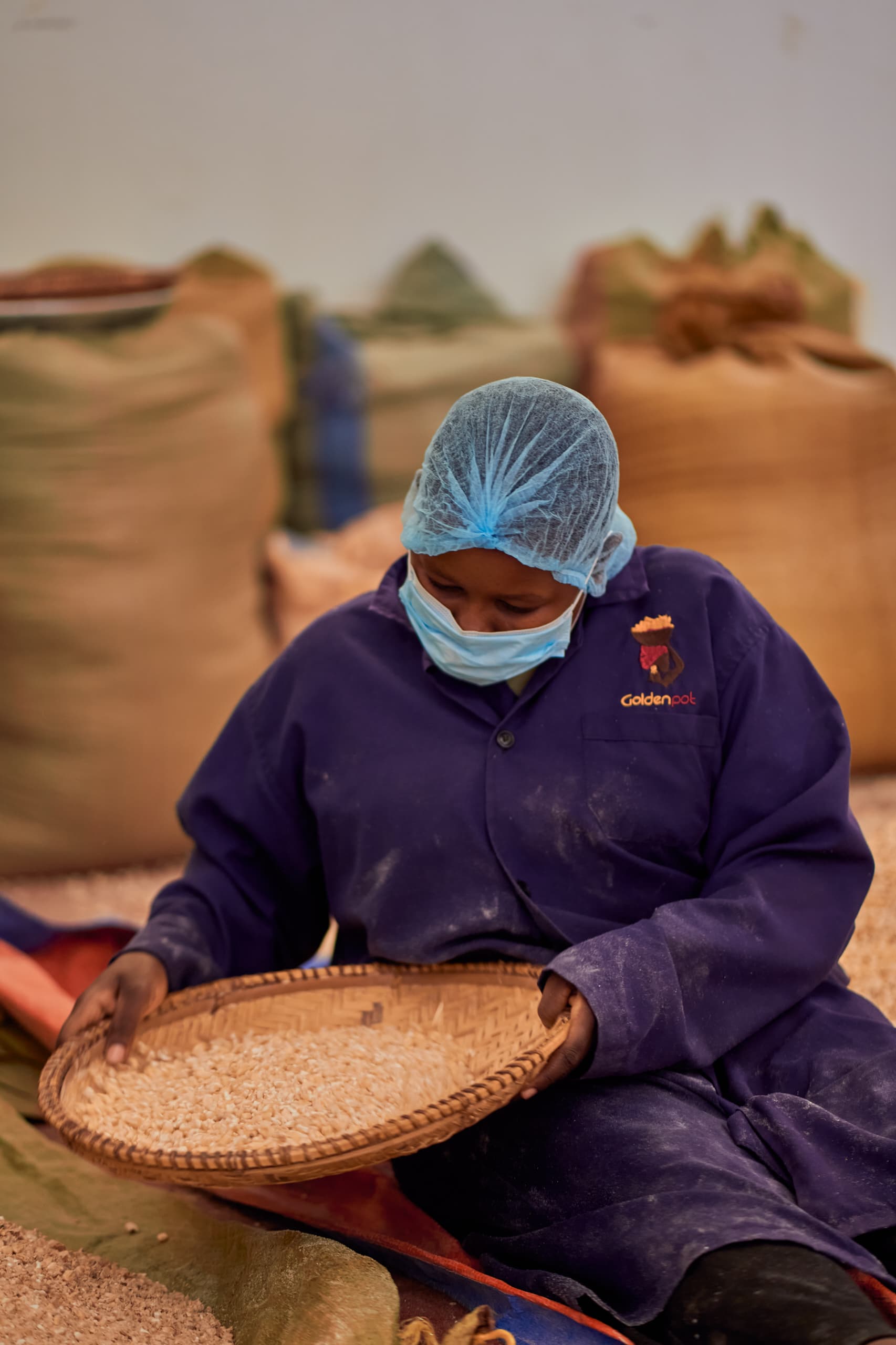
Sustainability is not a buzzword at Goldenpot. It is a promise we make to every farming community we work with, to the land that nourishes us, and to future generations who will inherit the earth we leave behind. Our environmental commitment goes hand in hand with our social mission, recognizing that true prosperity cannot come at the expense of the natural world that sustains us all.
A Holistic Environmental Vision
When we speak of sustainability, we mean more than just maintaining current production levels. We envision agricultural systems that actively improve environmental health, sequester carbon, protect biodiversity, conserve water, and build soil fertility year after year. This vision requires reimagining every aspect of how food is produced, from seed selection to harvesting, from processing to packaging.
Our environmental promise is built on three pillars: regenerative agriculture that restores and improves natural resources, circular systems that minimize waste and maximize resource efficiency, and climate resilience that helps farming communities adapt to changing conditions while contributing to mitigation efforts. These pillars guide all our operations and partnerships, ensuring that environmental stewardship is embedded in everything we do.
Regenerative Farming
Practices that restore soil health and biodiversity
Zero Waste Goal
Circular systems minimizing environmental impact
Climate Action
Carbon sequestration and renewable energy adoption
Regenerative Agriculture: Healing the Land
Decades of intensive farming practices have degraded soils across Tanzania, reducing their fertility and ability to support healthy crops. Goldenpot is committed to reversing this trend through regenerative agriculture. We work with farmers to implement practices that build rather than deplete soil organic matter, increase water retention capacity, sequester atmospheric carbon, and support diverse soil microbiomes.
Key regenerative practices we promote include cover cropping to protect soil between growing seasons, composting to return nutrients to the soil, minimal tillage to preserve soil structure and carbon content, crop rotation to break pest cycles and balance nutrient demands, and agroforestry to integrate trees that provide shade, fix nitrogen, and prevent erosion. These practices work together to create resilient farming systems that improve with each season rather than deteriorating.
Water Conservation and Protection
Water is increasingly precious in Tanzania, with climate change bringing more erratic rainfall patterns. Goldenpot promotes water conservation practices that help farmers use this resource more efficiently while protecting water sources from contamination. Rainwater harvesting systems capture and store water during rainy periods for use during dry spells. Mulching reduces evaporation and maintains soil moisture. Drip irrigation and other efficient watering methods deliver water directly to plant roots, minimizing waste.
We also emphasize protecting water quality. By eliminating or drastically reducing chemical inputs, our farming practices prevent pesticide and fertilizer runoff that can contaminate groundwater and surface water. Buffer zones along waterways filter any runoff and provide habitat for wildlife. These measures ensure that farming enhances rather than degrades the water resources that communities depend on for drinking, sanitation, and other needs.
Biodiversity and Ecosystem Health
Healthy ecosystems are more resilient and productive. Goldenpot promotes farming practices that support biodiversity at multiple scales. On farms, we encourage crop diversity, preserve hedgerows and natural areas that provide habitat for beneficial insects and wildlife, and avoid monocultures that are vulnerable to pests and diseases. At the landscape level, we work with communities to protect forests, wetlands, and other natural areas that provide ecosystem services like pollination, pest control, and water purification.
This commitment to biodiversity is not just environmentally sound but also economically smart. Diverse farming systems are more stable and less vulnerable to catastrophic failures. Natural pest predators reduce the need for interventions. Pollinators improve crop yields. The ecosystem services provided by biodiversity have real economic value that benefits farmers and communities.
Climate Action and Carbon Sequestration
Agriculture is both a contributor to climate change and a potential solution. Goldenpot is committed to minimizing the carbon footprint of our operations while maximizing carbon sequestration. The regenerative practices we promote, particularly those that build soil organic matter and integrate trees, actively remove carbon from the atmosphere and store it in soils and biomass. Studies suggest that widespread adoption of these practices could sequester significant amounts of carbon globally.
We are also working to transition our processing facilities to renewable energy sources, improving energy efficiency across our operations, and optimizing logistics to reduce transportation-related emissions. While we acknowledge the challenges of operating sustainably in contexts with limited infrastructure, we view these constraints as opportunities for innovation rather than excuses for inaction.
Circular Systems and Waste Reduction
Moving toward zero waste requires rethinking systems to eliminate waste at every stage. Goldenpot is working to create circular systems where outputs from one process become inputs for another. Crop residues become compost that fertilizes fields. Processing waste is used for animal feed or energy generation. Packaging is designed for recyclability or biodegradability. By closing loops and eliminating waste streams, we reduce environmental impact while often discovering new value in materials previously discarded.
We actively work with partners to improve recycling infrastructure in the communities where we operate, educate consumers about proper disposal and recycling, and continuously innovate to reduce packaging while maintaining product quality and safety. This commitment to circular thinking extends beyond our direct operations to encompass our entire value chain.
A Promise for Generations to Come
Our environmental promise is ultimately a promise to future generations. We commit to leaving the land, water, and ecosystems healthier than we found them. We commit to demonstrating that businesses can thrive while serving as environmental stewards. We commit to supporting farming communities in adapting to climate change while contributing to global mitigation efforts. And we commit to continuously learning, improving, and raising the bar for what sustainable food production means.
When you choose Goldenpot products, you support these environmental commitments. You vote for regenerative agriculture, climate action, biodiversity conservation, and sustainable resource management. Together, we are proving that feeding people and caring for the planet are not conflicting goals but complementary imperatives. These seeds of sustainability we plant today will grow into forests of plenty for generations to come.